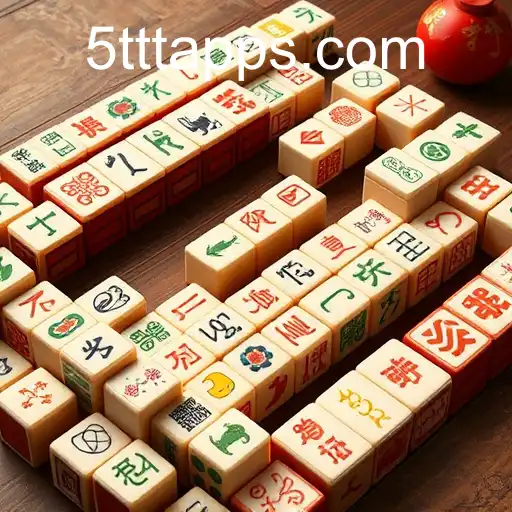
Exploring the Rich World of Mahjong: An Intricate Game of Skill
Mahjong, a tile-based game of skill, strategy, and calculation, has been captivating players worldwide for centuries. Originating from China, this fascinating game has evolved over time, with numerous variations permeating different cultures. At its core, Mahjong involves four players and a set of intricately designed 144 tiles, each representing different symbols and characters. The game's objective is to assemble these tiles into designated sets and pairs, building a viable hand before the others can do the same.
Historical Roots of Mahjong
099bet.comWhile the exact origins of Mahjong are shrouded in mystery, historical evidence suggests that the game may have begun as early as the Qing Dynasty. Some theories suggest Mahjong was inspired by card games played with traditional Chinese money-suited cards. The rich culture and history of Mahjong are mirrored in its complex rules and the symbolic meanings behind its tiles, which are often adorned with dragons, winds, and flowers.
With the fall of the Qing Dynasty and the rise of the Republic of China, Mahjong grew in popularity not only within China but also internationally. By the early 20th century, it had reached the shores of America, where it was marketed as a new craze, taking Western enthusiasts by storm. This period marked an important chapter in Mahjong's history, paving the way for its global reach.
The Mechanics of Mahjong
At the heart of Mahjong lies a captivating blend of luck and strategy. Each player receives a set of 13 tiles and takes turns drawing and discarding them, seeking to form one of the valid combinations known as "melds." The game often requires players to keep a vigilant eye on their opponents' moves, making calculated decisions to advance their game.
222HOT.comUnderstanding the structure of the tiles and the ability to recognize patterns are key components to mastering the game. In traditional Chinese Mahjong, the tiles are grouped into three suits: Dots, Bamboo, and Characters, each containing simple numerical sequences. In addition to these suits, there are honor tiles, which include the Wind and Dragon tiles, and flower tiles that add layers of depth and complexity to the game.661bet
Variations Across Cultures
As Mahjong spread globally, distinct variations emerged, reflecting the cultural preferences of the regions they inhabit. For instance, Japanese Mahjong introduced the concept of "Riichi," adding elements of bluffing and secrecy. In contrast, American Mahjong distinguishes itself with the incorporation of jokers and unique scoring cards, emphasizing a brisker pace and more dynamic gameplay.
These variations are not merely cosmetic; they often adapt the game's structural rules themselves, altering the number of tiles in the hand, the scoring systems, and even the basic objectives. Each adaptation provides players with a new avenue to explore Mahjong, keeping the game as diverse and rich as the cultures that play it.
The Social and Cognitive Benefits of Mahjong
53EBeyond its strategic allure, Mahjong has been lauded for its social and cognitive benefits. Playing Mahjong can foster camaraderie amongst players, bridging generations as enthusiasts share the rules and tales of past games. Many find the social aspect of Mahjong particularly appealing—a space where friends and family gather to partake in spirited competition.
From a cognitive perspective, Mahjong offers substantial mental stimulation. The game requires players to engage in continuous problem-solving, memory recall, and adaptive thinking, all of which are known to enhance mental acuity. Research has suggested that engaging in these types of mind-bending activities can be beneficial, potentially delaying cognitive decline as players age.
56F.COMThe Digital Era: Mahjong in the Online Sphere
In recent years, the advent of digital technology has introduced Mahjong to a new audience through online platforms and mobile applications. These digital forms capture the essence of Mahjong while offering convenient and accessible options for players worldwide. Enthusiasts can now partake in Mahjong games with players globally, at any time, making Mahjong more inclusive and versatile than ever before.
Online Mahjong platforms frequently host global tournaments with players spanning different continents, further fostering an international community bound by a shared passion for the game. This digital transformation continues to expand the reach of Mahjong, introducing its rich cultural heritage to new generations of players.
Mahjong's Cultural Impact and Legacy
The enduring appeal of Mahjong is a testament to its impact on both individuals and cultures around the world. Mahjong has cemented its place as more than just a game; it is a pastime, a social event, and a cherished tradition. Many observe Mahjong as a form of cultural expression, where it represents tenacity, strategic acumen, and above all, the joy of shared human experience.
The legacy of Mahjong is indisputable, with its symbols and gameplay resonating in popular culture and media, inspiring everything from artwork to films. As Mahjong continues to endure, its profound influence remains visible, ensuring that it will be cherished by many for generations to come.
Whether through a gathering around the classic tile set or a match played in the digital realm, Mahjong's timeless appeal endures, inviting new players to immerse themselves in its challenging and rewarding gameplay. Through each tile placed and every strategy devised, Mahjong tells a story of a game that is more than mere pieces—it is a celebration of strategy, culture, and friendship.